A player's internal state often dictates their table success far more than the physical cards they are dealt. Emotional conditions subtly filter how information is processed, influencing risk assessment, reaction speed, and tactical decision-making. Recognizing how your current mindset impacts your game is essential for preserving bankrolls and maintaining consistent strategy over extended play sessions.
The Direct Impact of Stress on Tactical Discipline
When entering a table while carrying high stress levels, your cognitive bandwidth becomes significantly restricted. This psychological burden makes it difficult to calculate complex odds or accurately track subtle opponent betting patterns. Consequently, stressed players tend to default to passive calling or hasty folds rather than well-reasoned strategic moves.
High anxiety also shortens a player's tolerance for natural variance and temporary setbacks. Small losses feel magnified, which often prompts irrational attempts to win back chips immediately. Maintaining awareness of baseline stress helps players recognize when to step away before bad habits take control.
How Overconfidence Distorts Risk Evaluation
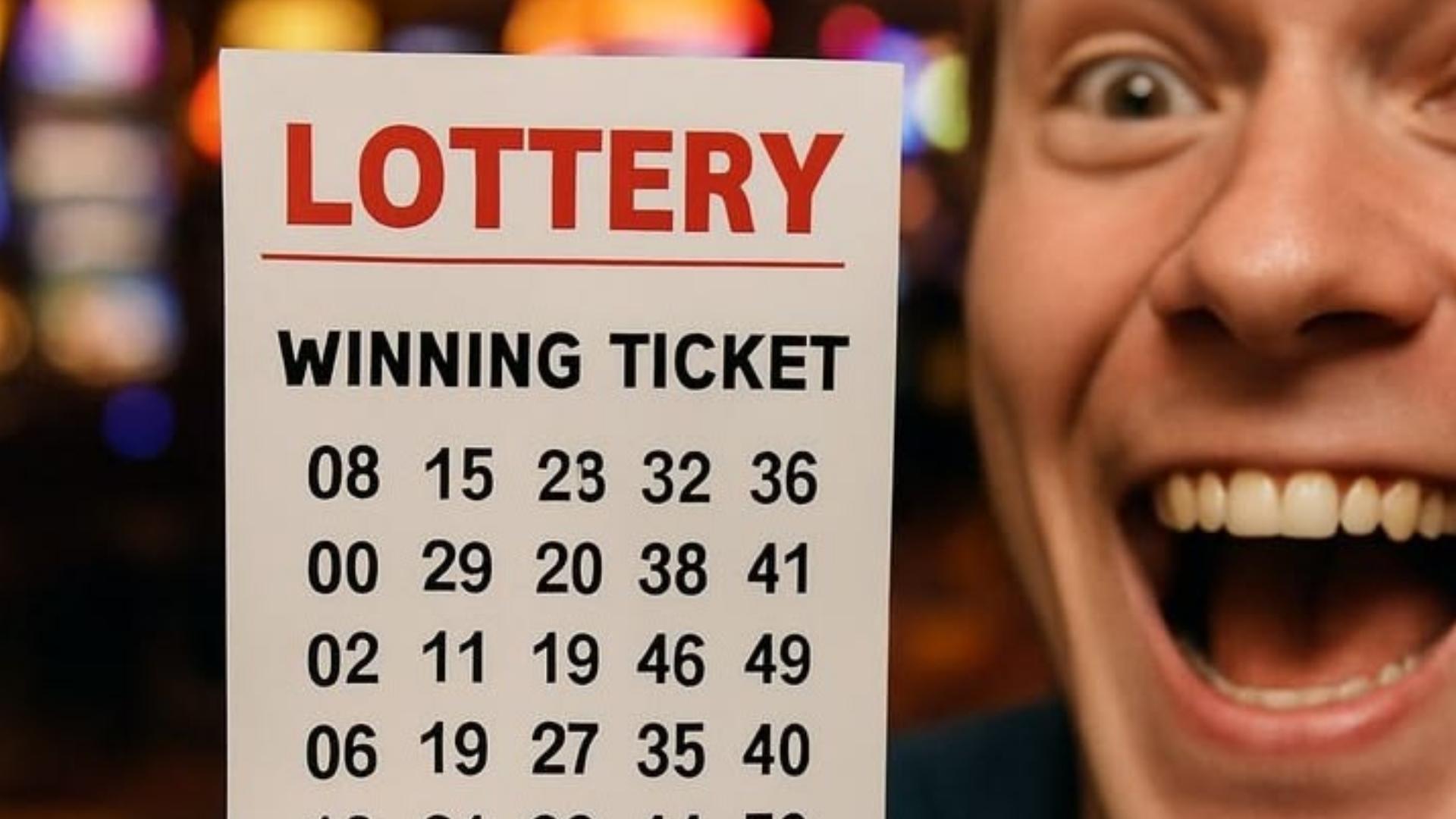
An overly positive or euphoric mood can be just as dangerous to a poker session as negative emotions. Excitement creates a false sense of invincibility, causing players to overvalue marginal starting hands and ignore clear signs of strength from opponents. This emotional high frequently leads to unnecessary bluffs and inflated pot sizes.
Players seeking convenient access to dynamic online platforms often look for an m88 app download to practice discipline across different session lengths. However, regardless of the environment, managing internal excitement remains crucial for evaluating risk accurately. Balanced decision-making requires grounded analytical thinking rather than momentum-driven confidence.
Fatigue and Irritability as Triggers for Tilt
Irritability serves as the primary catalyst for tilt, turning minor frustrations into catastrophic strategic meltdowns. When patience wears thin, logical reasoning is quickly replaced by impulsive aggression or stubborn desire for revenge. Recognizing early signs of annoyance allows players to pause and regain emotional equilibrium before making costly errors.
Mental fatigue accelerates this process by draining the mental energy needed for active focus. As concentration wanes, players miss critical table dynamics and make routine mistakes they would normally avoid. Taking regular breaks helps preserve focus and keeps emotional triggers at bay.
Developing Emotional Self-Awareness Before Playing
Establishing a pre-session mental check routine is an effective way to safeguard your poker performance. Taking a few moments to assess your current mood, energy levels, and stress factors prevents baseline emotional baggage from interfering with your strategy. If your mindset is unstable, postponing the session is usually the most profitable choice you can make.
Long-term success in poker depends heavily on cultivating emotional neutrality at the table. Viewing each hand as an isolated strategic scenario rather than a reflection of your personal state leads to better choices. Mastering your mood ultimately creates a reliable foundation for sustainable gaming performance.